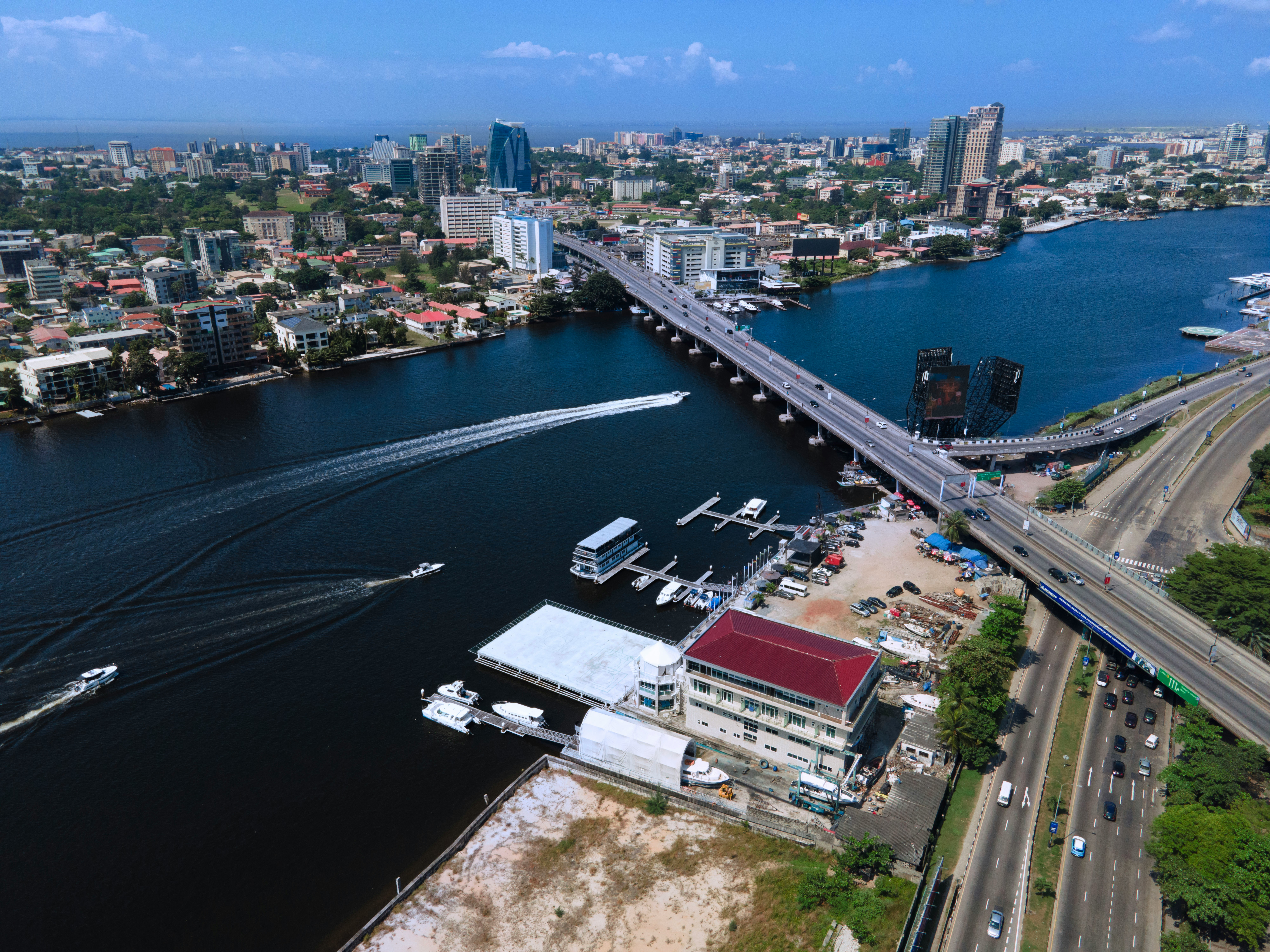
In the pre-dawn darkness of Lagos, as generators rumble to life across Nigeria's commercial capital, massive dredging machines are already extracting sand from the city's lagoon to feed an insatiable construction boom—a practice that is pushing the ecosystem toward collapse and offering a stark warning for India's own coastal megacities. The suction pipes that pull sand from the lagoon bed operate around the clock, transforming marine sediments into the raw material for high-rise blocks, housing estates, and flyovers in a city of more than 20 million people.
While sand dredging is nominally regulated by Lagos state government and waterways authorities, the reality is that not all extraction follows official protocols; the overwhelming demand for construction sand in Africa's most populous city has created a grey market that operates beyond regulatory oversight. The consequences extend far beyond depleted fish stocks—the intensive dredging is disrupting entire food chains, eroding coastlines, and destroying the livelihoods of fishing communities that have depended on the lagoon for generations.
India's Parallel Crisis
This ecological destruction in Lagos carries particular relevance for India, where coastal cities are experiencing similar construction-driven pressures on marine ecosystems. Mumbai, Chennai, Kochi, and other coastal urban centres face mounting demand for marine sand as residential and infrastructure projects proliferate; experts have documented comparable ecosystem disruption along India's coastline due to illegal sand mining operations that mirror Lagos's uncontrolled extraction practices.
The parallels are instructive: both countries have experienced rapid urbanisation that outpaces regulatory capacity; both have construction sectors that prioritise immediate material needs over long-term environmental sustainability; and both have coastal communities whose traditional livelihoods are being sacrificed for urban development. The difference lies in the stage of crisis—Lagos represents what could happen to Indian coastal cities if current trends continue unchecked.
Regulatory Responses and Limitations
India's regulatory framework offers some advantages over Lagos's situation, though enforcement remains inconsistent. The National Green Tribunal and various state governments have implemented restrictions on marine sand extraction following documented environmental damage, with Tamil Nadu and Kerala among the states that have introduced stricter controls after witnessing firsthand the ecological costs of unregulated mining.
However, the Lagos experience demonstrates that regulatory frameworks alone are insufficient without robust enforcement mechanisms and viable alternatives. Nigeria's oversight bodies exist on paper but struggle to monitor the extensive waterways where dredging occurs; similarly, Indian coastal authorities face challenges in patrolling vast stretches of coastline where illegal sand mining can occur beyond immediate detection. The key lesson from Lagos is that regulatory gaps inevitably expand when economic incentives strongly favour extraction over conservation.
Alternative Pathways
Lagos's crisis underscores the urgency of developing sustainable construction materials before ecosystem collapse becomes irreversible. India's recent initiatives in this direction—including the promotion of manufactured sand and recycled construction materials—represent preventive measures that could spare Indian cities from Lagos-type environmental destruction. The Ministry of Housing and Urban Affairs has begun encouraging alternative materials in government projects, though private sector adoption remains limited by cost considerations and established supply chains.
The strategic imperative is clear: India must accelerate the transition away from marine sand extraction while urban growth pressures remain manageable. Coastal management experts have consistently warned that the window for preventive action narrows as cities expand; Lagos demonstrates what happens when that window closes entirely, leaving communities to cope with irreversible ecological damage while construction demands continue unabated.
For India's coastal cities, Lagos's lagoon crisis serves as both warning and opportunity—a chance to implement sustainable construction practices before facing the stark choice between urban development and environmental survival that confronts Lagos today.